
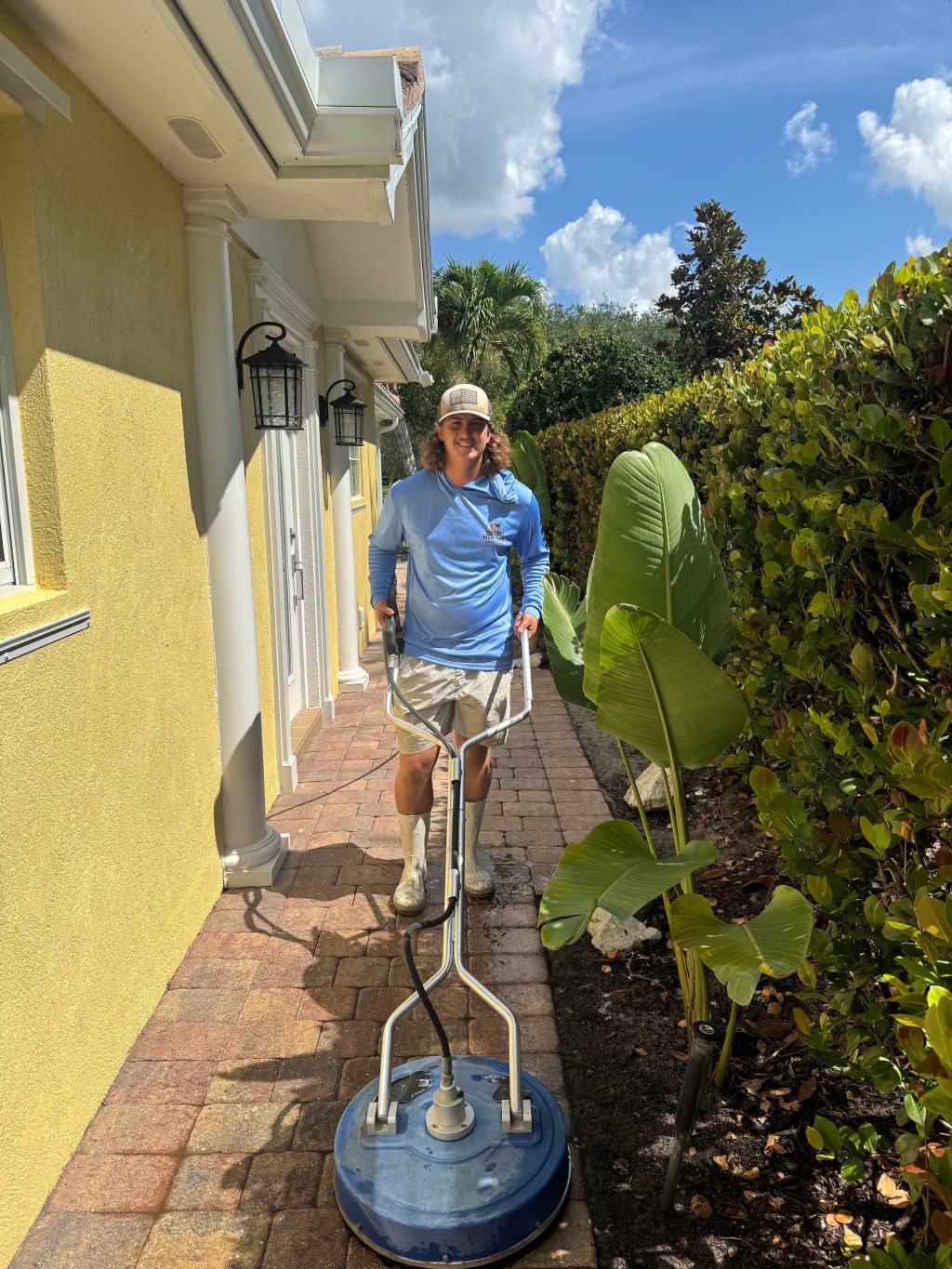
Keeping your patio pavers clean does more than just enhance curb appeal—it also helps preserve their durability and value. Two of the most effective cleaning methods are soft washing and power washing. But which method is right for your patio pavers? Let’s break down the pros, cons, and best use cases for both, helping you make an informed decision for your outdoor oasis.
Understanding Patio Paver Cleaning: The Basics
Patio pavers face relentless exposure to the elements, accumulating dirt, algae, moss, and stains over time. Routine cleaning not only maintains their beauty but also extends their lifespan by preventing moss and weed growth and minimizing weather damage. Choosing the right cleaning method can make a big difference in results and in the health of your paver surface.
What Is Power Washing?
How Power Washing Works
Power washing—or pressure washing—involves the use of high-pressure water jets to blast away dirt, grime, and algae from hard surfaces like patio pavers. Professional-grade equipment can deliver water at pressures between 1,500 to 2,000 PSI (pounds per square inch), making it possible to achieve a deep, thorough clean.
Benefits of Power Washing for Patio Pavers
- Removes Tough Stains: The high-pressure water can effectively lift stubborn stains, mold, mildew, and built-up debris that hand scrubbing or regular hoses can’t handle.
- Fast and Efficient: Power washing can quickly clean large paver areas, saving hours of manual labor.
- Eco-Friendly: When done correctly, power washing often does not require the use of harsh chemicals, relying solely on the force of water to clean.
- Restores Original Appearance: It can bring back the original color and vibrancy of pavers, making them look almost new.
Potential Drawbacks of Power Washing
- Risk of Surface Damage: Using too high a pressure or the wrong nozzle can scar or crack pavers—especially softer materials like brick or natural stone. It can also erode the sand or polymeric sand between paver joints, impacting paver stability.
- May Require Professional Skill: Improper technique can worsen existing damage or cause uneven cleaning, known as “zebra striping.”
- Cleanup Considerations: Excess water, debris, or dislodged joint sand may require additional cleanup after washing.
What Is Soft Washing?
How Soft Washing Works
Soft washing uses a low-pressure spray—comparable to a garden hose combined with specialized cleaning solutions—to gently clean paver surfaces. This method focuses on breaking down and removing organic stains, such as algae or moss, without abrasive force.
Benefits of Soft Washing for Patio Pavers
- Gentle on Surfaces: The low pressure and specialized cleaners prevent damage to delicate stone, brick, or concrete surfaces and protect joint sand.
- Effective Organic Stain Removal: Soft washing is especially good at removing black streaks, mold, moss, and algae, which can all make your pavers look unsightly.
- Safe for Most Paver Types: Ideal for older, fragile pavers or those with intricate designs that could be harmed by high-power methods.
- Longer-Lasting Results: Cleaning agents can help prevent future growth of mildew, moss, or algae.
Potential Drawbacks of Soft Washing
- Slower Process: For heavy staining or large areas, soft washing may take more time than power washing.
- Reliance on Cleaning Solutions: Effectiveness depends on the quality and type of solutions used. Some harsh chemicals can harm nearby plants if applied improperly.
- May Not Remove Deep Stains: Extremely stubborn stains might not lift without some degree of physical agitation or higher pressure.
Soft Washing vs. Power Washing: Side-by-Side Comparison
| Factor | Power Washing | Soft Washing |
|---|---|---|
| Pressure Level | High (1,500-2,000 PSI) | Low (garden hose pressure or less) |
| Surface Safety | Medium—risk of damage if not done properly | High—gentle on materials and joints |
| Stain Removal | Excellent for dirt and surface stains | Excellent for organic stains, algae, mold |
| Best For | Concrete pavers, newer and robust surfaces | Fragile, older pavers, delicate stones |
| Cons | Can dislodge joint sand, potential damage | Slower, may not handle extremely tough stains |
| Eco-Friendliness | High if no chemicals used | Varies—depends on cleaning solution |
| DIY Friendly | Moderate to high risk without training | Generally safe for homeowners |
Choosing What’s Best for Your Patio Pavers
Your choice between soft washing and power washing should depend on several key factors:
1. Paver Material and Age
- Newer, sturdy pavers and robust concrete surfaces often tolerate power washing well when done with the correct PSI and technique.
- Older, delicate, or natural stone pavers are best cleaned with soft washing to prevent chips, cracks, or surface erosion.
2. Type and Extent of Stains
- Deep-set dirt and staining may require the force of power washing.
- Algae, mildew, and other organic growth usually respond better to soft washing with targeted cleaning agents.
3. Maintenance Frequency
- Routine, light-level cleaning is often best done with soft washing.
- Annual deep cleans or heavy buildup can usually be addressed with careful power washing, followed by resealing if necessary.
4. DIY or Professional Help?
- If you’re not confident in your technique, or if you want the best possible results without risking damage, professional services can ensure safe and thorough cleaning with either method.
Additional Patio Paver Care Tips
Post-Cleaning: Sealing Your Pavers
Regardless of cleaning method, sealing your pavers after a deep clean can:
- Help repel stains, water, and UV damage,
- Prevent moss and weed growth,
- Enhance the natural color of the stones, and
- Extend the lifespan of your investment.
Routine Maintenance
- Regular sweeping helps prevent dirt buildup and weed growth.
- Tackle stains quickly before they become embedded.
- Monitor for shifting, joint erosion, or signs of cracking—addressing these quickly prevents bigger issues.
Final Thoughts
Both soft washing and power washing have their place in patio paver maintenance. For most homeowners, the best results come from matching the cleaning method to your paver type, stain severity, and frequency of cleaning. If you have any doubts, consult a professional service experienced in paver care to ensure that your patio remains a source of beauty—and value—for years to come.
Ready to refresh your patio? Choose the right method and enjoy an inviting, pristine outdoor space all season long!
 Oasis Pavers LLC